How to Prepare for GNM Entrance Exam (2026): Complete Study Plan, Syllabus, Books & Success Tips
A career in nursing offers the opportunity to make a meaningful impact on people’s lives while building a stable and respected profession. Among the most popular pathways into nursing in India is the General Nursing and Midwifery (GNM) program. Every year, thousands of students appear for GNM entrance examinations conducted by various state authorities, universities, and institutions.
Because the admission process differs across states and colleges, one of the most common questions students ask is:
“How should I prepare for the GNM Entrance Exam?”
The answer is simple: understand the exam pattern applicable to your institution, follow a structured study plan, use standard preparation books, practice previous years’ questions (where available), and revise consistently.
This guide provides a step-by-step strategy to help you prepare effectively while following current best practices for nursing entrance preparation.
Quick Answer: How to Prepare for the GNM Entrance Exam
To prepare effectively:
- Check the official syllabus and exam pattern for your target institution or state.
- Build a realistic study timetable.
- Strengthen Biology, Physics, Chemistry, English, and General Knowledge (as applicable).
- Practice reasoning and aptitude questions if included.
- Solve previous years’ papers and sample questions.
- Attempt mock tests regularly.
- Revise short notes every week.
Consistency is usually more effective than studying for long hours only near the exam date.
What Is the GNM Entrance Exam?
The GNM Entrance Exam is conducted by different nursing institutions, universities, or state authorities to select candidates for the General Nursing and Midwifery program.
The exact:
- Eligibility criteria
- Exam pattern
- Number of questions
- Marking scheme
- Subjects
- Selection process
may vary depending on the organization conducting the examination. Therefore, candidates should always refer to the official admission notification for the institution where they plan to apply.
Understanding the GNM Entrance Exam Syllabus
Although the syllabus differs among institutions, many entrance examinations commonly assess knowledge in areas such as:
- Biology
- Physics
- Chemistry
- English Language
- General Knowledge
- Logical Reasoning
- Basic Mathematics (in some exams)
Preparing these core subjects builds a strong foundation for most GNM entrance tests.
Step 1: Know the Official Exam Pattern
Before starting your preparation:
- Read the official information brochure.
- Understand subject-wise weightage.
- Check exam duration.
- Learn the marking scheme.
- Confirm whether negative marking applies.
- Note important dates.
Knowing the structure of the examination helps you allocate study time more effectively.
Step 2: Create a Realistic Study Plan
A balanced study schedule is more sustainable than an overly ambitious timetable.
A sample weekly plan may include:
- Biology – daily revision and concept building.
- Physics – numerical practice and formulas.
- Chemistry – reactions and fundamental concepts.
- English – vocabulary, grammar, and comprehension.
- General Knowledge – current affairs and static GK.
- Reasoning – daily practice questions.
- Weekly mock test and revision.
Adjust your timetable according to your strengths and weaker areas.
Step 3: Strengthen Biology
Biology is often one of the most important sections in nursing entrance examinations.
Focus on:
- Human anatomy.
- Human physiology.
- Cell biology.
- Genetics.
- Plant biology (where included).
- Reproduction.
- Ecology.
- Health and diseases.
Understand concepts instead of relying only on memorization.
Step 4: Prepare Physics and Chemistry
Many students find these subjects challenging, but a systematic approach can improve performance.
Physics
Concentrate on:
- Basic mechanics.
- Motion.
- Heat.
- Electricity.
- Light.
- Units and measurements.
Chemistry
Review:
- Atomic structure.
- Chemical bonding.
- Acids and bases.
- Organic chemistry basics.
- Periodic table.
- Chemical reactions.
Practice numerical problems regularly if required by your exam.
Step 5: Improve English Skills
English sections often evaluate communication readiness for healthcare education.
Practice:
- Grammar.
- Vocabulary.
- Synonyms and antonyms.
- Reading comprehension.
- Sentence correction.
- Error detection.
Reading newspapers or educational articles can also improve comprehension skills.
Step 6: Study General Knowledge and Current Affairs
General awareness questions may include:
- National events.
- International developments.
- Health initiatives.
- Scientific discoveries.
- Awards.
- Important dates.
- Basic Indian polity and geography.
Follow reliable news sources and revise current affairs consistently.
Step 7: Practice Logical Reasoning
Reasoning sections assess analytical thinking rather than factual memory.
Common topics include:
- Series.
- Coding-decoding.
- Analogies.
- Classification.
- Blood relations.
- Direction sense.
- Puzzle-based questions.
Daily practice improves both speed and accuracy.
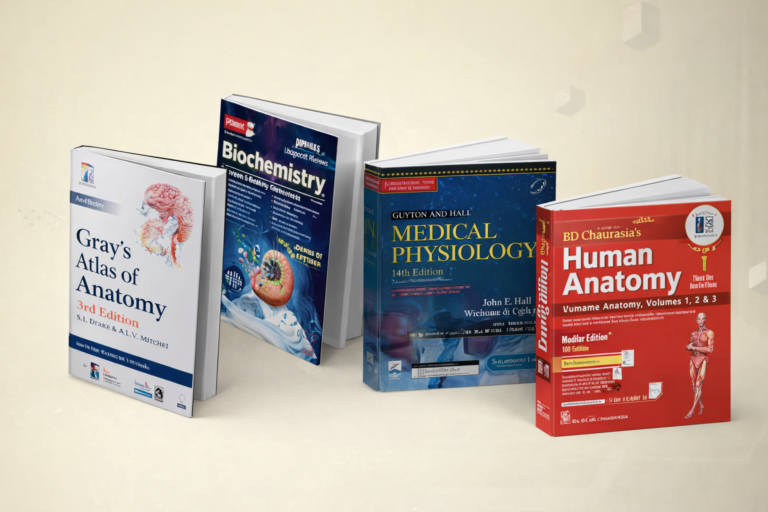
Best Books for GNM Entrance Preparation
A good preparation library should include:
- Biology reference books aligned with senior secondary concepts.
- Physics and Chemistry practice books.
- English grammar and vocabulary resources.
- General Knowledge compilations.
- Aptitude and reasoning practice books.
- GNM entrance preparation guides.
- Previous years’ question collections (if available for your exam).
Always select books from reputable publishers and ensure they match the latest syllabus of your target examination.
Importance of Mock Tests
Mock tests help you:
- Improve time management.
- Identify weak topics.
- Reduce examination anxiety.
- Develop question-solving strategies.
- Measure preparation progress.
Review every mock test carefully to understand mistakes and strengthen weak areas.
Revision Strategy
Effective revision includes:
- Weekly review sessions.
- Formula sheets.
- Biology diagrams.
- Vocabulary flashcards.
- Short notes.
- Practice quizzes.
- Timed question-solving.
Frequent revision improves long-term retention.
Common Mistakes to Avoid
Many aspirants lose marks because they:
- Ignore the official syllabus.
- Study without a timetable.
- Depend only on coaching notes.
- Skip mock tests.
- Avoid weaker subjects.
- Neglect revision.
- Purchase outdated preparation books.
Avoiding these mistakes can significantly improve exam readiness.
Time Management Tips
During preparation:
- Study consistently every day.
- Prioritize conceptual understanding.
- Allocate extra time to weaker subjects.
- Take short breaks to maintain concentration.
- Revise before starting new topics.
During the examination:
- Read instructions carefully.
- Answer easier questions first.
- Avoid spending too much time on one question.
- Review answers if time permits.
Why Authentic GNM Entrance Books Matter
Using genuine and updated preparation books helps ensure:
- Accurate syllabus coverage.
- Reliable explanations.
- Quality practice questions.
- Better printing and diagrams.
- Current educational content.
Counterfeit or outdated books may contain errors or omit important topics.
Where to Buy GNM Entrance Books Online
When purchasing GNM entrance books, choose a trusted platform that provides:
- Latest editions.
- Authentic publications.
- Nursing entrance guides.
- Previous year question books (where available).
- Secure ordering and dependable delivery.
Medioks offers a wide selection of original GNM entrance preparation books, nursing textbooks, and competitive exam resources, making it easier for aspiring nursing students to access reliable study materials.
Frequently Asked Questions (FAQs)
How long does it take to prepare for the GNM Entrance Exam?
Preparation time varies depending on your academic background, familiarity with the syllabus, and study routine. A consistent, well-planned approach over several months is generally more effective than last-minute preparation.
Which subjects are most important?
Most GNM entrance examinations commonly assess Biology, Physics, Chemistry, English, General Knowledge, and sometimes Reasoning or Basic Mathematics. Always refer to the official syllabus for your target institution.
Are mock tests necessary?
Yes. Mock tests improve speed, accuracy, confidence, and familiarity with the exam pattern while helping you identify areas that need additional practice.
Which books should I use?
Choose updated GNM entrance preparation books from recognized publishers that align with the latest syllabus applicable to your examination.
Where can I buy original GNM entrance books?
Students can purchase authentic GNM entrance preparation books and nursing study materials from Medioks, which offers a broad collection of original books for nursing aspirants.
Final Thoughts
Preparing for the GNM Entrance Exam requires discipline, consistency, and the right study resources. Instead of trying to study everything at once, focus on understanding concepts, practicing questions regularly, and revising systematically. A structured study plan combined with official syllabus awareness and regular mock tests can significantly improve your confidence and performance.
Remember that every entrance examination may have its own eligibility criteria, syllabus, and exam pattern. Always verify the latest information from the official notification of the institution or authority conducting your chosen exam.
To support your preparation, invest in authentic and updated study materials. If you’re looking for GNM entrance books, GNM competitive guides, or other nursing preparation resources, Medioks offers a trusted online destination with original books designed to help nursing aspirants prepare with confidence.