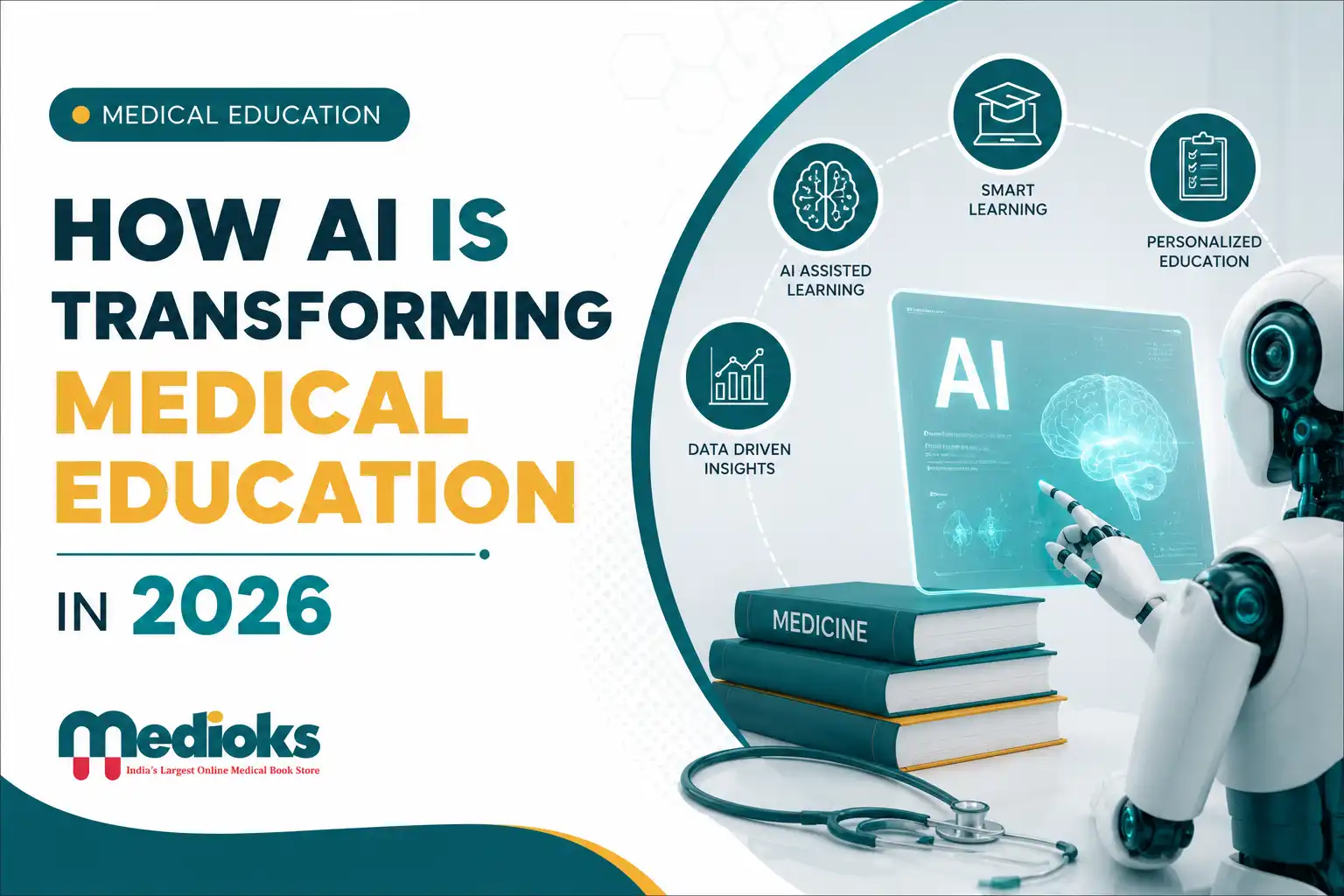
How Digital Learning Is Changing Medical Education
Medical education has undergone a remarkable transformation over the last decade. Traditional learning methods that once depended heavily on physical classrooms, printed textbooks, cadaver labs, and face-to-face lectures are now evolving into a digitally connected ecosystem powered by technology, online platforms, artificial intelligence, and virtual learning tools.
The rapid growth of digital learning in healthcare education has reshaped how medical students, nursing aspirants, dental students, and healthcare professionals acquire knowledge, practice clinical skills, and prepare for competitive examinations. Today, students can attend virtual lectures, watch surgical demonstrations, access international medical journals, participate in simulation-based learning, and revise clinical concepts directly from smartphones or laptops.
As healthcare becomes increasingly technology-driven, understanding how digital learning is changing medical education is essential for students, educators, institutions, and healthcare professionals.
This article explores the impact of digital learning on medical education, its benefits, challenges, future trends, and why digital transformation is becoming a permanent part of modern healthcare training.
The Evolution of Medical Education
Traditionally, medical education relied on:
- Classroom lectures
- Printed medical textbooks
- Practical ward postings
- Cadaver dissection
- Bedside teaching
- Physical libraries
While these methods remain important, modern medical learning now integrates:
- Online education platforms
- Virtual simulations
- AI-powered learning systems
- Mobile learning applications
- Interactive digital content
- Video-based clinical demonstrations
This combination of traditional and digital learning creates a more flexible and accessible educational environment.
Why Digital Learning Is Growing Rapidly in Medical Education
Several factors have accelerated digital transformation in healthcare education.
1. Increased Internet Accessibility
High-speed internet and smartphone availability have made online learning more accessible than ever before.
Students can now:
- Attend live classes remotely
- Download medical resources instantly
- Access international medical content
- Participate in virtual discussions
2. Demand for Flexible Learning
Medical students often manage:
- Long study hours
- Clinical postings
- Practical training
- Competitive exam preparation
Digital learning allows students to learn at their own pace and revisit difficult concepts anytime.
3. Advancements in Educational Technology
Modern educational tools now support:
- 3D anatomy visualization
- Virtual patient simulations
- AI-assisted assessments
- Interactive quizzes
- Digital flashcards
- Adaptive learning systems
These innovations improve conceptual understanding significantly.
Major Ways Digital Learning Is Transforming Medical Education
1. Online Medical Learning Platforms
Digital education platforms have become central to modern medical preparation.
Popular learning platforms provide:
- Video lectures
- Clinical case discussions
- Mock tests
- Rapid revision notes
- Interactive MCQs
- Performance analytics
Popular Medical Learning Platforms
These platforms simplify complex medical topics using visual and interactive learning methods.
2. Virtual Anatomy and 3D Visualization
Anatomy is one of the most challenging subjects in medical education.
Digital tools now provide:
- 3D anatomical models
- Interactive organ systems
- Virtual dissections
- Real-time structure visualization
This improves:
- Spatial understanding
- Memory retention
- Concept clarity
Students can repeatedly study anatomical structures without limitations associated with traditional cadaver-based learning.
3. Simulation-Based Clinical Learning
Medical education increasingly uses simulation technology to improve practical training.
Simulation-Based Learning Includes
- Virtual patient cases
- Emergency management scenarios
- Surgical simulations
- ICU training models
- Diagnostic reasoning exercises
Simulation training helps students practice clinical decision-making in a safe environment before interacting with real patients.
4. Mobile Learning in Medical Education
Smartphones have become powerful educational tools.
Medical students now use mobile applications for:
- Drug references
- Clinical calculators
- Flashcards
- Anatomy review
- ECG interpretation
- Medical dictionaries
Advantages of Mobile Learning
- Learning anytime, anywhere
- Faster revision
- Quick clinical references
- Improved productivity
Mobile learning supports continuous education during hospital postings and internships.
5. AI and Personalized Medical Learning
Artificial Intelligence (AI) is beginning to personalize medical education.
AI-powered systems can:
- Analyze student performance
- Identify weak areas
- Recommend customized study plans
- Generate adaptive quizzes
- Improve exam preparation strategies
This creates more efficient and targeted learning experiences.
Benefits of Digital Learning in Medical Education
Improved Accessibility
Students from remote areas can now access high-quality medical education online.
This reduces educational barriers and improves learning opportunities globally.
Better Visual Understanding
Medical education is highly visual.
Digital learning improves understanding through:
- Animated videos
- Clinical images
- 3D diagrams
- Surgical demonstrations
Visual learning enhances memory retention significantly.
Self-Paced Learning
Students can pause, replay, and revise difficult topics multiple times.
This flexibility supports deeper conceptual understanding.
Faster Updates in Medical Knowledge
Healthcare guidelines evolve rapidly.
Digital resources are updated more frequently than traditional textbooks, ensuring students access current medical information.
Enhanced Exam Preparation
Online platforms provide:
- Mock tests
- Analytics
- Question banks
- Performance tracking
These tools improve competitive exam preparation efficiency.
Challenges of Digital Learning in Medical Education
Despite its advantages, digital learning also presents several challenges.
Reduced Hands-On Experience
Medicine is a practical profession requiring:
- Physical examination skills
- Communication abilities
- Bedside manners
- Procedural training
Digital learning cannot fully replace real clinical exposure.
Information Overload
Students often face excessive online content, leading to confusion and poor focus.
Choosing reliable educational sources becomes extremely important.
Screen Fatigue and Mental Exhaustion
Long hours of online learning may cause:
- Eye strain
- Reduced concentration
- Mental burnout
- Sleep disturbances
Balanced learning habits are essential.
Dependence on Technology
Technical issues, poor internet access, and device limitations may disrupt learning experiences.
Importance of Combining Digital Learning With Clinical Training
The best medical education model combines:
Digital learning + Clinical exposure + Practical patient interaction.
Students should continue:
- Ward postings
- Bedside case presentations
- Clinical examinations
- Hospital internships
- Communication skill development
Technology should support clinical learning rather than replace it entirely.
Future Trends in Digital Medical Education
Medical education is expected to become even more technology-driven in the coming years.
Emerging Trends Include
- Virtual reality (VR) surgical training
- AI-powered tutoring systems
- Augmented reality anatomy learning
- Global online medical classrooms
- Advanced medical simulation labs
- Blockchain-based medical certifications
These innovations may further transform healthcare education worldwide.
Smart Tips for Medical Students Using Digital Learning
Choose Trusted Platforms
Always use authentic and evidence-based resources.
Avoid Excessive Resource Collection
Too many platforms reduce productivity.
Combine Video Learning With Reading
Textbooks remain important for conceptual depth.
Practice Clinical Skills Regularly
Hands-on learning is irreplaceable.
Maintain Study Discipline
Digital distractions should be minimized.
Final Thoughts
Digital learning has fundamentally transformed modern medical education by making healthcare learning more accessible, flexible, visual, and interactive. From online lectures and AI-based learning systems to virtual simulations and mobile medical apps, technology is helping students develop stronger conceptual understanding and more efficient preparation strategies.
However, medicine remains a patient-centered profession that requires real clinical exposure, communication skills, and practical competence. The future of medical education lies not in replacing traditional learning but in combining digital innovation with hands-on clinical experience.
Students who successfully integrate technology-driven learning with practical medical training will be better prepared for modern healthcare challenges and future medical careers.