How Digital Learning Is Changing Medical Education
Medical education has undergone a major transformation in the last decade. Traditional classroom-based teaching methods are rapidly evolving with the rise of digital learning technologies. From online medical eBooks and virtual classrooms to AI-powered study tools and interactive simulations, digital education is reshaping how medical students learn, practice, and prepare for their careers.
Today’s healthcare students demand flexible, accessible, and technology-driven learning experiences that help them keep up with the ever-expanding medical curriculum. Whether studying MBBS, BDS, Nursing, BAMS, Physiotherapy, or preparing for NEET PG and other competitive medical exams, students are increasingly relying on digital platforms to improve their academic performance.
In this article, we will explore how digital learning is changing medical education, its advantages, challenges, future trends, and why it has become an essential part of modern healthcare training.
The Rise of Digital Learning in Medical Education
Digital learning refers to the use of technology-based educational tools that allow students to access learning materials online. Medical education has traditionally depended on physical textbooks, classroom lectures, cadaver dissections, and clinical demonstrations. However, the rapid growth of the internet and smart devices has introduced new learning methods that are more interactive and efficient.
The COVID-19 pandemic further accelerated the adoption of digital medical education worldwide. Universities, coaching institutes, and healthcare organizations shifted toward online classes, virtual labs, and eLearning platforms to continue medical training without interruption.
Today, digital learning is no longer an optional supplement—it has become a core component of healthcare education.
Key Technologies Transforming Medical Education
1. Medical eBooks and Digital Libraries
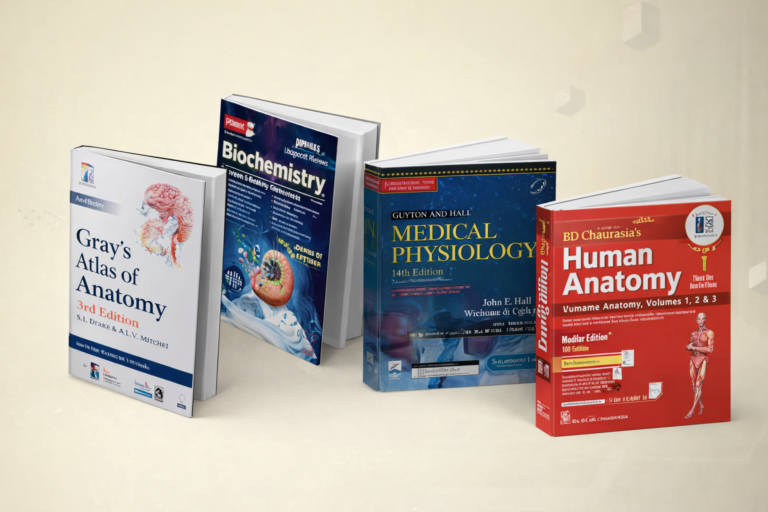
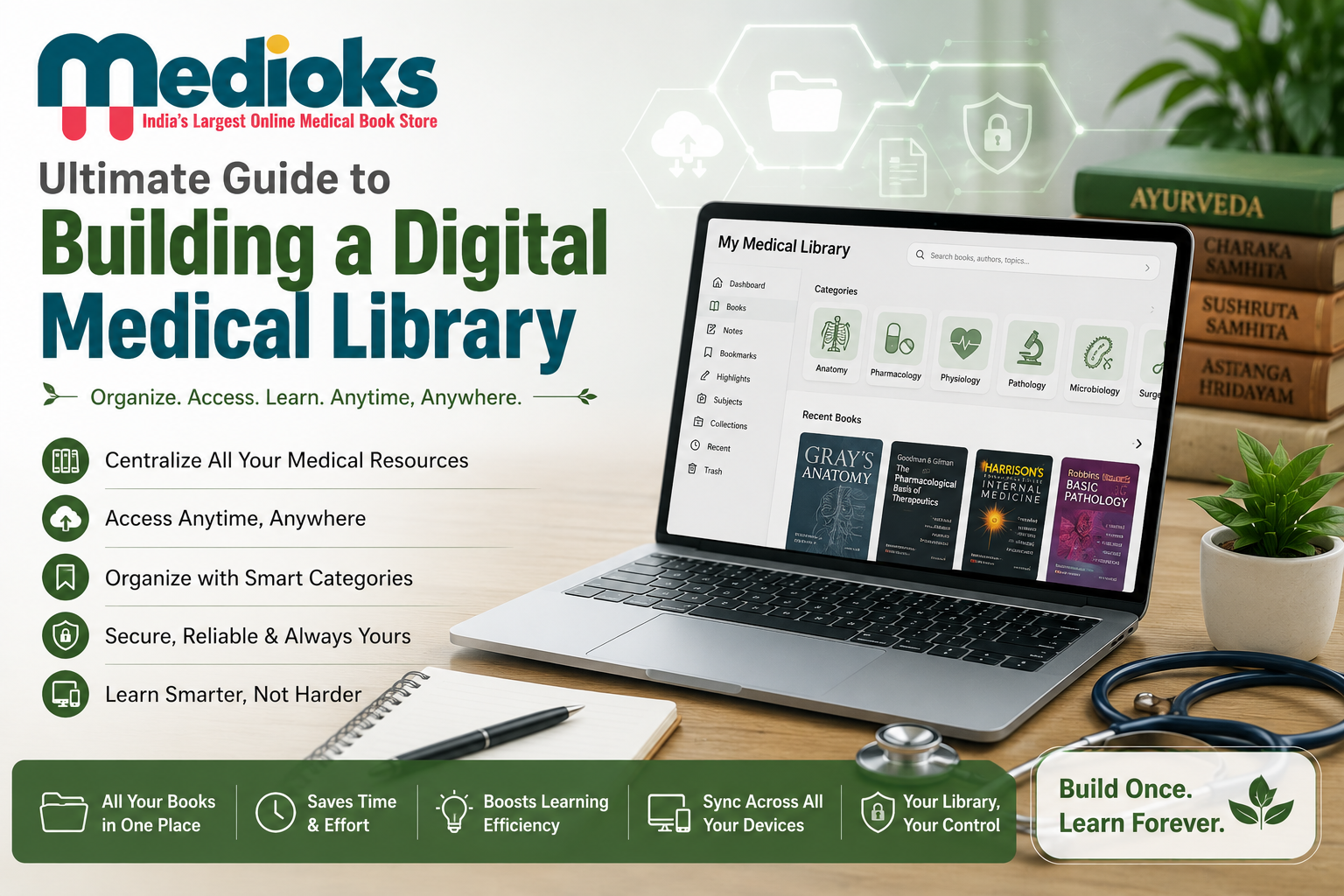
One of the biggest changes in medical education is the increasing use of medical eBooks and online study platforms. Students can now access thousands of textbooks, journals, and revision guides instantly through digital devices.
Platforms like Medioks provide access to a wide collection of MBBS, Nursing, BDS, BAMS, and NEET PG educational resources for Indian students.
Benefits of Medical eBooks
- Portable and lightweight learning
- Instant access to study materials
- Searchable content for quick revision
- Affordable compared to printed books
- Interactive notes and highlighting features
Digital libraries help students study anytime and anywhere, making learning more flexible and efficient.
2. Online Medical Classes and Video Lectures
Online education platforms have transformed the way medical subjects are taught. Students can now attend live classes, recorded lectures, and online doubt-solving sessions from experienced educators across the country.
Advantages of Online Medical Learning
- Learn at your own pace
- Replay difficult topics multiple times
- Access expert faculty remotely
- Flexible study schedules
- Better preparation for competitive exams
This has become especially important for students living in remote areas where access to quality coaching may be limited.
3. Virtual Anatomy and 3D Learning Tools
Anatomy is one of the most challenging subjects in medical education. Digital technology now allows students to study human anatomy using 3D models, virtual dissections, and interactive simulations.
Benefits of Virtual Anatomy Platforms
- Improved visual understanding
- Better memory retention
- Safe and repeatable learning environment
- Interactive exploration of body systems
Virtual anatomy tools are helping students understand complex structures more effectively than traditional methods alone.
4. Artificial Intelligence in Medical Education
Artificial Intelligence (AI) is becoming increasingly important in healthcare learning. AI-powered educational tools can analyze student performance and provide personalized learning recommendations.
AI Applications in Medical Education
- Personalized study plans
- Smart MCQ practice systems
- Adaptive learning modules
- AI-generated quizzes
- Instant feedback and performance analysis
AI helps students identify weak areas and improve exam preparation more efficiently.
5. Mobile Learning Applications
Smartphones have become essential learning tools for modern medical students. Mobile applications provide:
- Flashcards
- Medical calculators
- Drug references
- Anatomy diagrams
- Clinical case discussions
Mobile learning supports quick revision during internships, ward duties, and clinical postings.
How Digital Learning Benefits Medical Students
Flexible Learning Environment
Students no longer need to depend entirely on classroom schedules. Digital learning allows them to study according to their convenience.
Better Accessibility
Medical students from small towns and rural regions can now access high-quality educational content online.
Faster Updates in Medical Knowledge
Medical science evolves rapidly. Digital platforms can update content quickly, ensuring students learn the latest guidelines and research.
Improved Exam Preparation
Online test series, mock exams, and question banks help students prepare effectively for:
- NEET PG
- INI CET
- FMGE
- NEXT Exam
- Nursing entrance examinations
Enhanced Collaboration
Students can interact with peers, educators, and mentors through online communities and discussion forums.
Challenges of Digital Medical Education
Although digital learning offers many benefits, it also comes with certain challenges.
1. Screen Fatigue
Long study hours on digital devices may cause eye strain and mental fatigue.
2. Internet Dependency
Students in areas with poor internet connectivity may face difficulties accessing online resources.
3. Lack of Hands-On Clinical Exposure
Practical clinical training remains essential in medical education. Digital learning cannot fully replace real patient interactions.
4. Information Overload
The abundance of online content can sometimes confuse students about which resources are reliable.
To overcome these challenges, students should combine digital learning with practical clinical experience and structured study strategies.
The Role of eLearning Platforms in India
India has seen rapid growth in medical eLearning platforms that support healthcare education. These platforms provide:
- Digital medical books
- Recorded lectures
- Online coaching
- Clinical case discussions
- Practice MCQs
- Mock examinations
Medioks is among the emerging platforms supporting affordable access to medical educational resources for Indian students.
The demand for digital medical education is expected to grow significantly due to increasing competition in healthcare entrance exams and the rising adoption of online learning technologies.
Future Trends in Digital Medical Education
The future of medical learning will be increasingly technology-driven. Several innovations are expected to shape healthcare education in the coming years.
Virtual Reality (VR) and Augmented Reality (AR)
VR and AR technologies will allow students to simulate surgeries, anatomy dissections, and emergency scenarios in immersive environments.
AI-Powered Tutors
AI-based tutoring systems may provide real-time academic guidance and customized learning experiences.
Cloud-Based Medical Libraries
Students will gain instant access to global medical literature and research databases through cloud platforms.
Gamified Learning
Interactive quizzes, badges, and simulation games will improve student engagement and retention.
Personalized Education Systems
Future learning systems may adapt automatically to each student’s performance and learning style.
Tips for Students Adapting to Digital Learning
Create a Structured Study Routine
Digital learning works best when students follow disciplined schedules.
Use Trusted Educational Resources
Always study from verified and authentic medical platforms.
Take Regular Breaks
Avoid excessive screen time to reduce mental and physical fatigue.
Combine Digital and Practical Learning
Balance online learning with clinical exposure and practical sessions.
Stay Updated
Follow current medical guidelines and evidence-based practices regularly.
Why Digital Learning Is the Future of Medical Education
Digital learning has made medical education:
- More accessible
- More flexible
- More affordable
- More interactive
- More personalized
Students can now learn complex medical concepts faster and more effectively than ever before. Technology has also democratized education by giving students from all backgrounds access to high-quality learning resources.
As healthcare systems continue to evolve, future doctors, nurses, dentists, and allied healthcare professionals will increasingly depend on digital tools for continuous learning and professional development.
Conclusion
Digital learning is revolutionizing medical education by improving accessibility, flexibility, and educational quality for students worldwide. From medical eBooks and online classes to AI-powered study systems and virtual simulations, technology is reshaping how healthcare professionals are trained.
Platforms like Medioks are contributing to this transformation by providing affordable medical books and digital educational resources for Indian students.
While practical clinical experience remains irreplaceable, digital learning has become an essential companion to modern healthcare education. Students who effectively combine traditional learning methods with digital tools will be better prepared for academic success and future medical careers.
As technology continues to advance, digital medical education will play an even greater role in shaping the next generation of healthcare professionals.