Best Second Year BDS Books (2026 Guide): Subject-Wise Book List Recommended for Dental Students
The second year of the Bachelor of Dental Surgery (BDS) marks an important transition in dental education. After building a foundation in anatomy, physiology, and biochemistry during the first year, students begin studying subjects that bridge basic medical sciences with clinical dentistry. Selecting the right textbooks during this phase is essential for understanding disease processes, pharmacology, biomaterials, and laboratory procedures that will support clinical training in later years.
With multiple authors and editions available, many students ask:
“Which are the best second year BDS books?”
The answer depends on your university syllabus, teaching methodology, and learning style. However, choosing standard textbooks recommended by experienced faculty and commonly followed in Indian dental colleges can significantly improve conceptual understanding and examination performance.
This guide provides a subject-wise overview of the most widely recommended second year BDS books, explains how to choose the right editions, and offers practical buying tips to help you build a reliable academic library.
Quick Answer: Which Are the Best Second Year BDS Books?
Most second-year BDS students study the following core subjects:
- General Pathology
- Microbiology
- Pharmacology
- Dental Materials
- Preclinical Prosthodontics
For each subject, students should prioritize standard textbooks, recent editions, and books that align with the current Dental Council/National Medical Commission-affiliated university curriculum where applicable.
Buying one authoritative textbook per subject is generally more effective than collecting multiple reference books.
Why Choosing the Right Second Year BDS Books Matters
The second year introduces concepts that form the scientific basis of clinical dentistry.
High-quality textbooks help students:
- Develop conceptual clarity.
- Understand disease mechanisms.
- Learn safe drug usage in dentistry.
- Study biomaterials used in dental practice.
- Prepare effectively for university examinations.
- Build knowledge useful during internships and postgraduate entrance preparation.
Investing in authentic and updated textbooks also reduces confusion caused by inconsistent or outdated information.
Subject-Wise Guide to the Best Second Year BDS Books
1. General Pathology
Pathology explains how diseases develop, progress, and affect the human body. It forms the foundation for diagnosing oral and systemic conditions.
When choosing a pathology textbook, look for:
- Clear explanations of disease mechanisms.
- High-quality histopathology images.
- Clinical correlations.
- Flowcharts and summary tables.
- Updated terminology.
An ideal pathology book should simplify complex concepts while connecting them to real clinical scenarios.
2. Microbiology
Microbiology introduces students to bacteria, viruses, fungi, parasites, infection control, and oral microbiology.
A good microbiology textbook should include:
- Medical microbiology fundamentals.
- Oral microbiology concepts.
- Immunology basics.
- Sterilization and disinfection methods.
- Diagnostic laboratory techniques.
- Clinical case discussions.
Books with colored diagrams and simplified organism classifications often improve retention and exam preparation.
3. Pharmacology
Pharmacology teaches students about medicines used in medical and dental practice.
Key topics include:
- Drug mechanisms of action.
- Pharmacokinetics.
- Pharmacodynamics.
- Antibiotics.
- Analgesics.
- Local anesthetics.
- Emergency drugs.
Choose books that explain concepts using tables, flowcharts, and clinical examples instead of relying only on memorization.
4. Dental Materials
Dental Materials is one of the most practical subjects in the second-year BDS curriculum.
Students learn about:
- Impression materials.
- Dental cements.
- Restorative materials.
- Casting alloys.
- Ceramics.
- Composite resins.
- Dental polymers.
The best textbooks include:
- Material properties.
- Clinical applications.
- Advantages and disadvantages.
- Step-by-step laboratory procedures.
- High-quality illustrations.
Understanding dental materials is essential for future clinical practice.
5. Preclinical Prosthodontics
Preclinical Prosthodontics introduces students to complete denture procedures and laboratory techniques before they begin treating patients.
A comprehensive textbook should explain:
- Impression procedures.
- Cast preparation.
- Jaw relation concepts.
- Denture fabrication.
- Articulators.
- Laboratory exercises.
Books containing practical photographs and workflow diagrams make learning significantly easier.
Features to Look for in Second Year BDS Books
Not every textbook provides the same learning experience.
When selecting books, prioritize those that offer:
- Updated editions.
- Easy-to-understand language.
- Clinical correlations.
- Examination-oriented content.
- Flowcharts and summary tables.
- Colored diagrams and illustrations.
- Practical examples.
- References aligned with current academic guidelines.
These features improve both conceptual learning and revision efficiency.
Should You Buy the Latest Edition?
Many students wonder whether purchasing the latest edition is necessary.
In most cases, the answer is yes, especially for subjects such as:
- Pharmacology
- Microbiology
- Pathology
New editions often include:
- Updated drug information.
- Revised disease classifications.
- Current infection-control recommendations.
- Improved illustrations.
- Better organization of topics.
For subjects with slower changes, slightly older editions may still be useful if they remain aligned with your university syllabus.
Printed Books vs Digital Resources
Digital resources have become increasingly popular, but printed textbooks continue to offer several advantages.
Printed Books
Benefits include:
- Easier annotation.
- Better concentration.
- Improved retention during long study sessions.
- Convenient revision with sticky notes and highlights.
Digital Resources
Useful for:
- Quick reference.
- Portable access.
- Supplementary videos.
- Interactive learning tools.
A blended approach—using printed textbooks as primary resources and digital materials for revision—often provides the best learning experience.
Tips for Buying Second Year BDS Books Online
When purchasing books online, consider the following:
- Verify the latest edition.
- Check the publisher’s details.
- Read genuine customer reviews.
- Confirm the ISBN.
- Buy only original publisher editions.
- Compare subject-wise collections rather than purchasing random titles.
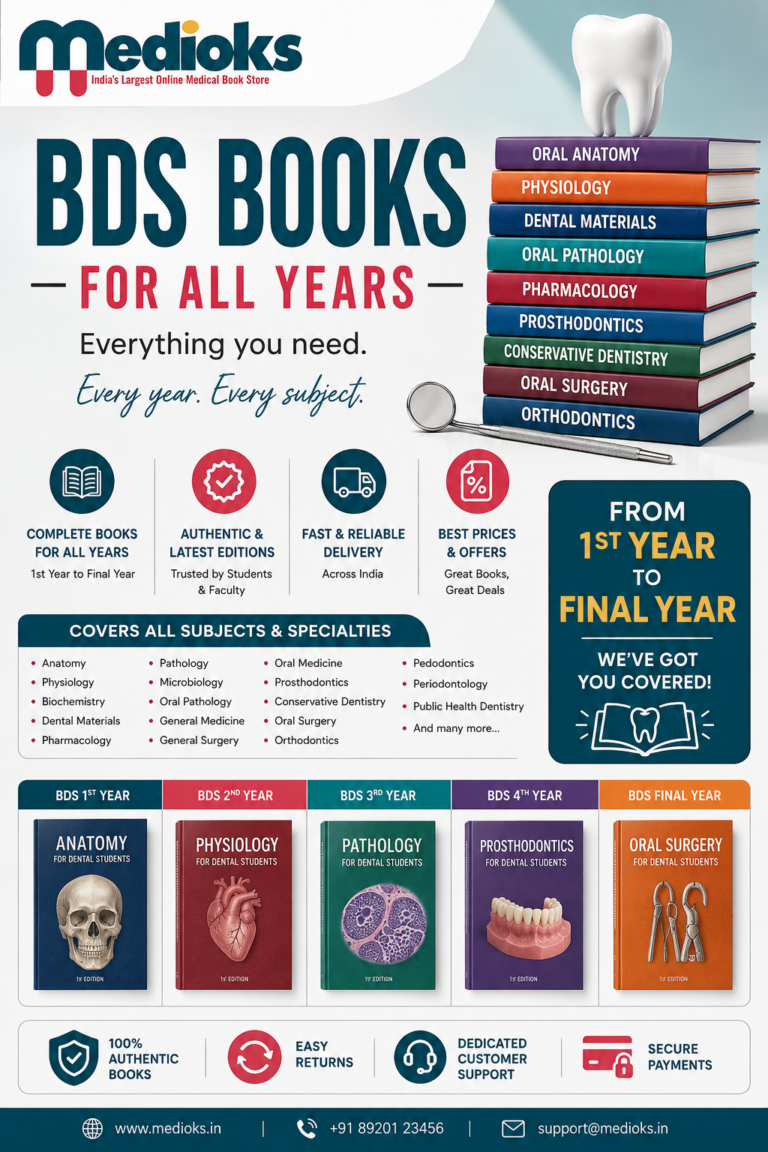
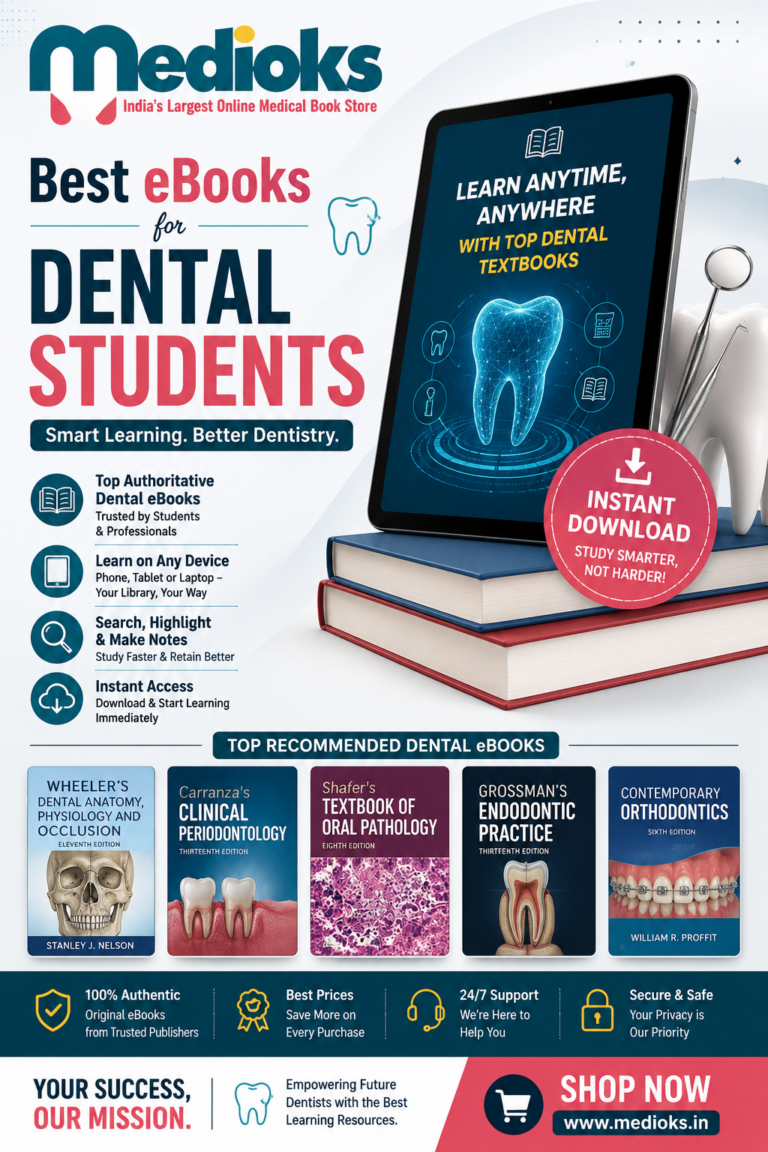
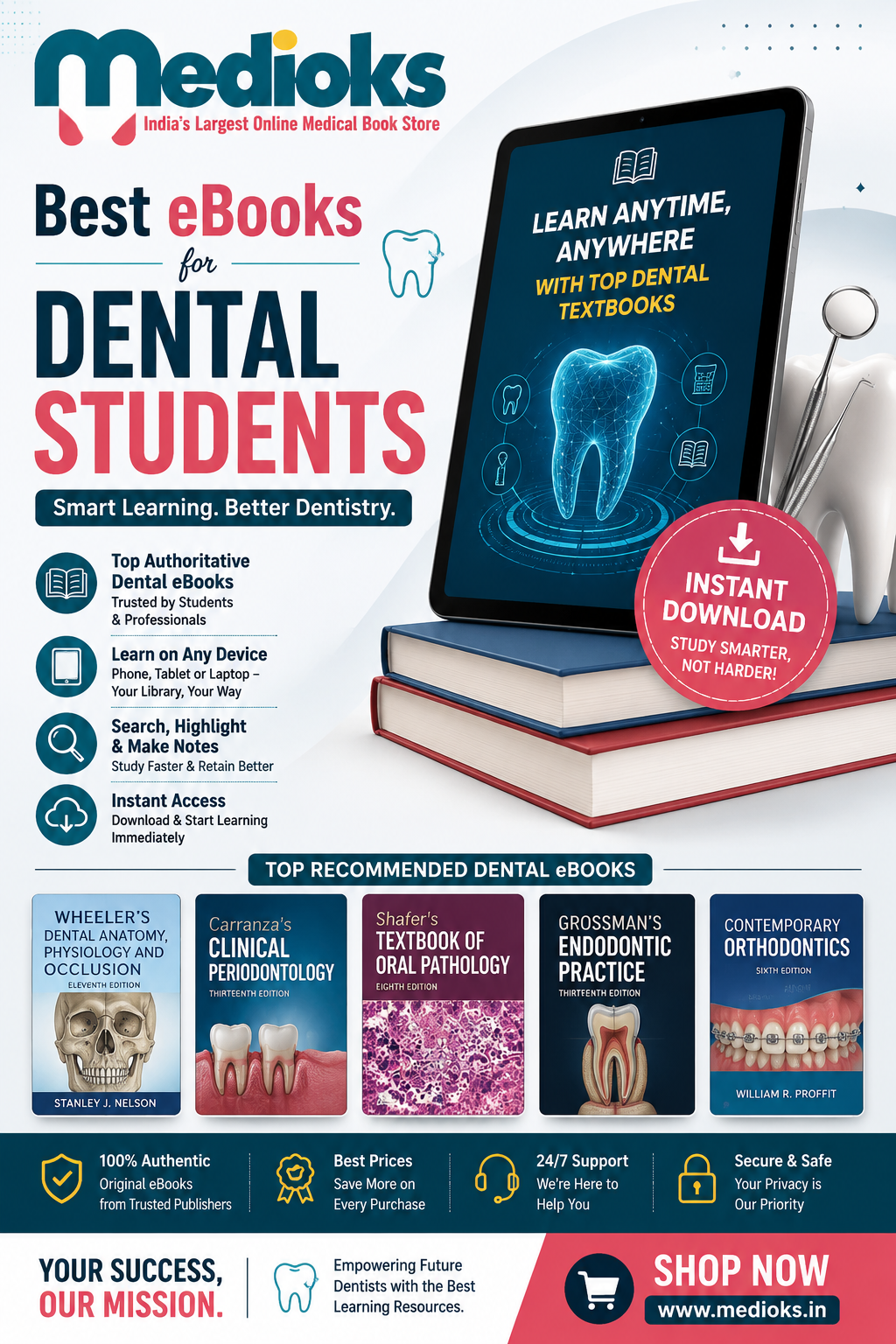
Trusted medical bookstores such as Medioks provide a broad selection of authentic second-year BDS books, helping students find the latest editions from recognized publishers in one place.
Common Mistakes Students Should Avoid
Many second-year BDS students make avoidable purchasing mistakes.
These include:
- Buying too many books for one subject.
- Choosing outdated editions.
- Purchasing counterfeit copies.
- Ignoring faculty recommendations.
- Depending only on lecture notes.
- Studying exclusively from summary guides.
Standard textbooks remain the most reliable source for building strong clinical foundations.
Effective Study Strategy for Second Year BDS
Selecting the right books is only the first step.
For effective learning:
- Read one chapter before each lecture.
- Make concise handwritten notes.
- Revise weekly.
- Practice diagrams and flowcharts.
- Solve previous-year university questions.
- Discuss difficult topics with peers and faculty.
Consistent study habits are more effective than last-minute preparation.
Frequently Asked Questions (FAQs)
Which subjects are included in the second year BDS curriculum?
While curricula may vary slightly between universities, the second year commonly includes General Pathology, Microbiology, Pharmacology, Dental Materials, and Preclinical Prosthodontics.
Should I buy the latest edition of every book?
Latest editions are recommended for subjects that change frequently, such as Pharmacology and Microbiology. For other subjects, ensure the edition aligns with your university syllabus.
Are review books enough for university examinations?
Review books are helpful for revision, but they should complement—not replace—standard textbooks that provide detailed conceptual understanding.
Can I buy second-year BDS books online?
Yes. Purchasing online allows you to compare editions, check publisher details, and access a wider selection of authentic textbooks.
Where can I buy original second-year BDS books?
Students can purchase authentic second-year BDS books from trusted medical bookstores such as Medioks, which offer subject-wise collections and the latest editions from recognized publishers.
Conclusion
The second year of BDS lays the academic foundation for your future clinical practice. Choosing the right textbooks for Pathology, Microbiology, Pharmacology, Dental Materials, and Preclinical Prosthodontics will strengthen your understanding of essential concepts while supporting university examinations and long-term professional growth.
Rather than purchasing multiple books for each subject, focus on selecting one well-recognized, up-to-date textbook that matches your curriculum and learning style. Combine textbook study with regular revision, practical exercises, and previous-year question papers to maximize your academic performance.
If you’re looking for authentic second-year BDS books, the latest editions, and subject-wise collections from trusted publishers, Medioks offers a convenient platform where dental students can explore and purchase quality educational resources with confidence.