Why Microbiology is Important in MBBS: A Complete Guide for Medical Students (2026)
Microbiology is often considered one of the most challenging yet rewarding subjects in the MBBS curriculum. At first glance, it may seem like a subject filled with endless lists of bacteria, viruses, fungi, and parasites to memorize. However, as students progress through medical school, they realize that microbiology is far more than remembering microorganisms—it is the foundation of diagnosing infectious diseases, understanding immunity, prescribing antibiotics responsibly, and preventing hospital-acquired infections.
Every doctor, regardless of specialization, relies on microbiology. Whether treating pneumonia, tuberculosis, urinary tract infections, sepsis, or viral diseases, a sound understanding of microbiology enables evidence-based clinical decisions.
In this guide, we’ll explore why microbiology is a cornerstone of MBBS education, how it connects to clinical practice, the latest NMC Competency-Based Medical Education (CBME) curriculum, and how students can study the subject effectively.
Quick Answer
Why is Microbiology Important in MBBS?
Microbiology is important because it teaches future doctors how microorganisms cause diseases, how infections spread, how laboratory tests confirm diagnoses, and how antibiotics, vaccines, and infection control measures improve patient outcomes. It forms the scientific foundation for clinical medicine, surgery, pediatrics, obstetrics, community medicine, and postgraduate entrance examinations like NEXT and NEET PG.
What is Microbiology in MBBS?
Medical microbiology is the branch of medicine that studies microorganisms capable of causing disease in humans.
It includes:
- Bacteriology
- Virology
- Mycology
- Parasitology
- Immunology
- Infection control
- Laboratory diagnosis
- Antimicrobial therapy
The subject is taught during the second professional MBBS and integrates closely with pathology, pharmacology, and clinical medicine.
Why Every MBBS Student Must Learn Microbiology
Understanding microbiology goes beyond passing university exams. It prepares students to become safe and effective clinicians.
Here’s why it matters.
1. It Helps Diagnose Infectious Diseases
A large percentage of patients visiting hospitals suffer from infections caused by bacteria, viruses, fungi, or parasites.
Microbiology teaches students how to:
- Identify the causative organism
- Understand disease transmission
- Interpret laboratory reports
- Select appropriate diagnostic tests
Without microbiology, accurate diagnosis becomes difficult.
2. It Builds the Foundation of Clinical Medicine
Subjects studied later in MBBS depend heavily on microbiology.
These include:
- General Medicine
- Pediatrics
- General Surgery
- Obstetrics and Gynecology
- Dermatology
- ENT
- Pulmonology
- Community Medicine
For example, understanding tuberculosis requires knowledge of Mycobacterium tuberculosis, while treating meningitis requires familiarity with bacterial pathogens and cerebrospinal fluid investigations.
3. It Improves Rational Antibiotic Use
One of the biggest healthcare challenges today is antimicrobial resistance (AMR).
Microbiology teaches students:
- Mechanisms of antibiotic action
- Drug resistance
- Antibiotic susceptibility testing
- Culture and sensitivity reports
These concepts help future doctors prescribe antibiotics responsibly and reduce the emergence of resistant organisms.
4. It Explains the Human Immune System
Microbiology includes immunology, which helps students understand how the body fights infections.
Key concepts include:
- Innate immunity
- Adaptive immunity
- Antigens and antibodies
- Vaccines
- Autoimmune diseases
- Hypersensitivity reactions
A strong understanding of immunology is essential for infectious diseases, allergy, transplantation, and immunotherapy.
5. It Strengthens Laboratory Medicine Skills
Doctors rely on laboratory investigations every day.
Microbiology teaches:
- Specimen collection
- Culture techniques
- Gram staining
- Acid-fast staining
- Serological tests
- Molecular diagnostics
Understanding how laboratory reports are generated allows doctors to make accurate clinical decisions.
Role of Microbiology in Modern Healthcare
Modern healthcare depends heavily on microbiology.
It supports:
- Disease surveillance
- Outbreak investigations
- Vaccine development
- Infection prevention
- Public health programs
- Hospital infection control
Recent global infectious disease outbreaks have further highlighted the importance of microbiological knowledge in protecting communities.
MBBS Microbiology Syllabus Overview
According to the National Medical Commission (NMC) CBME Curriculum, students study several major areas.
General Microbiology
- History
- Classification
- Bacterial cell structure
- Sterilization
- Disinfection
- Culture media
Immunology
- Innate immunity
- Adaptive immunity
- Vaccines
- Hypersensitivity
- Immunodeficiency
Bacteriology
Study of medically important bacteria, including:
- Staphylococcus
- Streptococcus
- Salmonella
- Mycobacterium
- Escherichia coli
- Vibrio
Virology
Topics include:
- HIV
- Hepatitis viruses
- Rabies
- Dengue
- Influenza
- Herpes viruses
Mycology
Common fungi:
- Candida
- Aspergillus
- Dermatophytes
- Cryptococcus
Parasitology
Students learn:
- Malaria
- Amoebiasis
- Filariasis
- Leishmaniasis
- Helminthic infections
Applied Microbiology
- Hospital infection control
- Biomedical waste management
- Specimen collection
- Antimicrobial stewardship
Best Microbiology Books for MBBS Students
Choosing the right textbook makes learning easier.
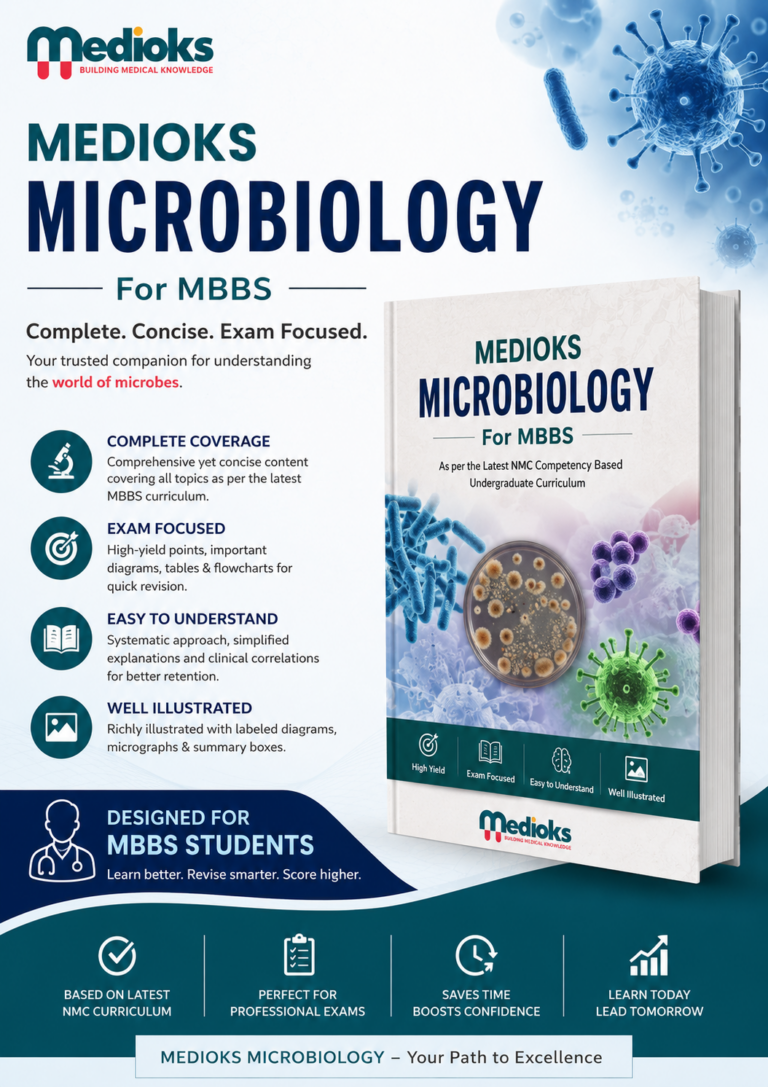
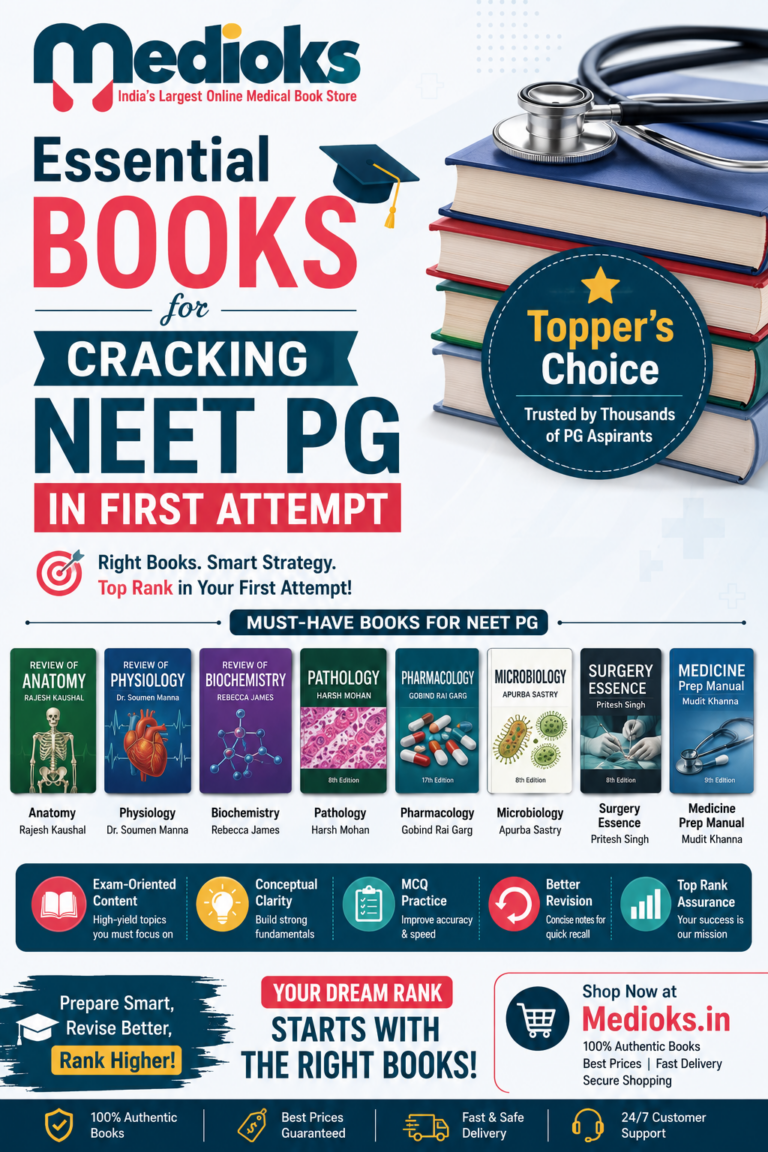
Essentials of Medical Microbiology – Apurba Sankar Sastry
Best for:
- MBBS university examinations
- Clinical understanding
- NMC curriculum
- Simple explanations
Ananthanarayan and Paniker’s Textbook of Microbiology
Recommended for:
- Advanced concepts
- Detailed explanations
- NEXT preparation
- NEET PG preparation
C. P. Baveja’s Textbook of Microbiology
Suitable for:
- Concise revision
- Undergraduate learning
- Quick preparation
Practical Microbiology Manual
Essential for:
- Gram staining
- Culture media
- Practical examinations
- Viva preparation
Practical Importance of Microbiology During Internship
Microbiology becomes even more relevant during clinical postings.
Interns frequently:
- Interpret culture reports
- Request laboratory investigations
- Choose antibiotics
- Prevent hospital-acquired infections
- Manage infectious diseases
Students who understand microbiology adapt more confidently to clinical responsibilities.
How Microbiology Helps in NEXT and NEET PG
Microbiology contributes significantly to postgraduate entrance examinations.
High-yield topics include:
- Tuberculosis
- HIV
- Vaccines
- Antimicrobial resistance
- Hospital infections
- Immunology
- Laboratory diagnosis
Building strong concepts during MBBS makes future competitive exam preparation much easier.
How to Study Microbiology Effectively
Instead of memorizing organisms individually, use a structured framework.
For every microorganism, learn:
- Morphology
- Habitat
- Transmission
- Pathogenesis
- Clinical features
- Laboratory diagnosis
- Treatment
- Prevention
Additional study tips:
- Use flowcharts.
- Practice diagrams.
- Solve previous university question papers.
- Revise regularly.
- Attend practical sessions actively.
- Relate concepts to real clinical cases.
This approach improves both examination performance and long-term retention.
Common Mistakes MBBS Students Should Avoid
Many students struggle because they:
- Depend only on last-minute revision.
- Read multiple textbooks simultaneously.
- Ignore immunology.
- Skip laboratory practicals.
- Memorize facts without understanding concepts.
- Neglect previous-year university papers.
A single standard textbook combined with regular revision is usually sufficient.
Frequently Asked Questions
Is Microbiology difficult in MBBS?
The subject is extensive, but it becomes manageable when studied conceptually. Understanding disease mechanisms is more effective than rote memorization.
Which microbiology book is best for MBBS?
Essentials of Medical Microbiology by Apurba Sankar Sastry is widely recommended for undergraduate students, while Ananthanarayan and Paniker is preferred for advanced learning and NEET PG preparation.
Is microbiology useful after MBBS?
Absolutely. Every practicing doctor uses microbiology for diagnosing infections, interpreting laboratory reports, prescribing antibiotics, and preventing disease transmission.
Does microbiology help in NEXT and NEET PG?
Yes. Infectious diseases, immunology, vaccines, antimicrobial resistance, and laboratory diagnosis are high-yield topics in postgraduate entrance examinations.
Can I study microbiology without memorizing everything?
Yes. Focus on understanding organism characteristics, disease mechanisms, laboratory diagnosis, and clinical applications instead of memorizing isolated facts.
Conclusion
Microbiology is much more than a second-year MBBS subject—it is a cornerstone of modern medicine. From diagnosing infections and interpreting laboratory reports to understanding immunity, vaccines, and antimicrobial resistance, microbiology influences nearly every aspect of patient care.
By studying trusted resources like Essentials of Medical Microbiology by Apurba Sankar Sastry, Ananthanarayan and Paniker’s Textbook of Microbiology, and a practical microbiology manual, students can build strong concepts that support university examinations, NEXT, NEET PG, internships, and future clinical practice.
Rather than viewing microbiology as a subject to memorize, approach it as a discipline that explains the science behind infectious diseases. This mindset will not only improve your academic performance but also prepare you to become a safer, more confident, and more competent doctor.